
Your Gut Feeling: How Your Brain & Stomach Talk to Keep You Healthy (And Why It Matters, Especially As We Age)

Medically reviewed by Nishant Sharma, RN
The Amazing Connection Between Your Gut and Your Brain
We often think of our brain as being the command center, right? Directing everything. But what if I told you a *huge* part of staying healthy isn’t just about *thinking* well, but about how well your gut is doing? It sounds a bit strange, I know, but our team at Nurse Nest Plus sees this play out in real life with our patients all the time. It’s becoming increasingly clear that the gut and the brain aren’t separate entities; they’re in constant, two-way communication.
Recently, I was reading a fascinating piece in Nature about something called 'neuro-epithelial circuits' within the intestine. It’s a bit technical, but basically, it explains *how* this gut-brain connection is maintained on a really fundamental level. These circuits aren’t just there for digestion; they play a surprisingly big role in our immunity and how we sense things happening within our bodies. Think of it as an internal messaging system, far more complex than anyone previously imagined.
What are these ‘Neuro-Epithelial Circuits’ Anyway?
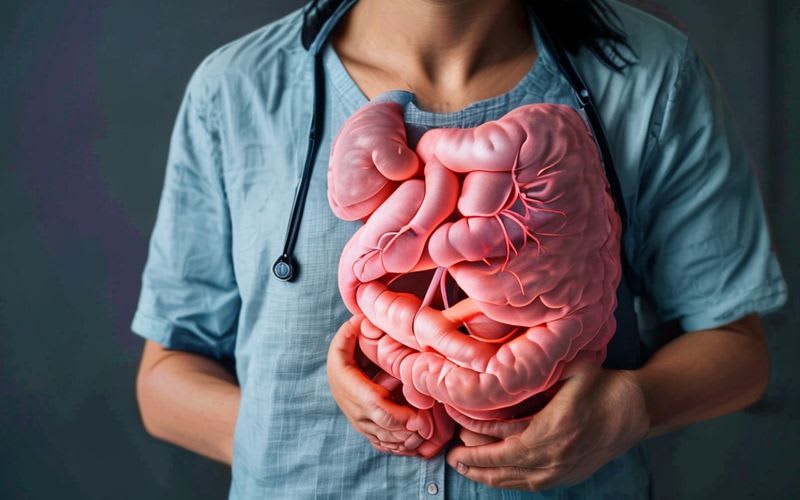
Okay, let’s break that down. ‘Neuro’ refers to nerves, and ‘epithelial’ refers to the cells lining your gut. These circuits are specialized cells that act as little sensors, constantly communicating with the nervous system. They detect everything from the food you eat to the presence of harmful bacteria. Essentially, they’re the gut’s way of ‘telling’ the brain what’s going on. And the brain, in turn, can send signals back to adjust digestion, immune responses, and even your mood.
The research highlighted in the article points to how these circuits help ‘converge’ sensory information. Meaning, they don’t just send simple signals; they combine different types of information – like whether something tastes good *and* feels irritating – to give the brain a complete picture. This integrated information is crucial for a robust immune response!
How Does This Affect Your Immunity?
This is where things get really interesting. About 70-80% of your immune cells actually live in your gut! These cells are constantly monitoring the environment, looking for threats. But they don’t act alone. They rely on signals from those neuro-epithelial circuits to know when to spring into action. If the circuits detect harmful bacteria or inflammation, they alert the immune system, triggering a response.
I've personally observed this with our elderly patients recovering from illnesses in Bangalore. Often, getting their appetite back and ensuring proper digestion—which relies heavily on this gut-brain connection—is just as vital as administering medication. We’ve seen faster recovery times when we focus on nourishing the gut. And it's not just illness; even something as simple as stress can disrupt this system, making you more susceptible to infections.
What Impacts These Circuits and Your Gut Health?

Lots of things! Here’s a quick look at factors that can affect your gut-brain axis:
- Diet: This is huge. A diet rich in processed foods, sugar, and unhealthy fats can damage your gut lining and disrupt the balance of bacteria.
- Stress: Chronic stress messes with gut motility and inflammation. Think about how your stomach feels when you’re really anxious!
- Antibiotics: While life-saving, antibiotics also kill off beneficial gut bacteria, throwing the whole system off balance.
- Sleep: Poor sleep is linked to changes in gut microbiota.
- Lack of Physical Activity: Exercise helps promote gut diversity.
We often work with families in Mumbai who are dealing with parents who have co-morbidities like diabetes and heart conditions. These conditions can significantly impact gut health, and therefore, overall resilience. It's a cycle – poor gut health exacerbates the underlying condition, and vice versa.
Simple Steps to Support Your Gut-Brain Connection – Practical Advice from Our Nurses
Okay, enough of the science! What can you *do* about this? Luckily, quite a bit. It isn’t about drastic changes, either. Small adjustments can make a big difference.
- Embrace Fiber: Fruits, vegetables, and whole grains are your gut’s best friend. Think about adding a simple dosa with vegetable fillings to your breakfast, or a serving of dal with every meal. So many wonderful, readily available options in the Indian diet already!
- Probiotics & Fermented Foods: These introduce beneficial bacteria into your gut. Dahi (yogurt) is a classic example, readily available across India. We also find patients benefit from a small serving of kanji (fermented carrot drink) – particularly those who struggle to tolerate dairy.
- Manage Stress: This is often easier said than done, but find healthy ways to cope with stress – yoga, meditation, spending time in nature, or just talking to a friend.
- Hydrate Well: Water is essential for all bodily functions, including digestion.
- Listen to Your Body: Pay attention to how different foods make you feel. Keep a food diary if it helps! That ‘gut feeling’ isn't always metaphorical.
One thing I always emphasize with patient families is the importance of mindful eating. Don't just scarf down your food while watching TV. Sit down, savor each bite, and really *pay attention* to your body’s signals. It’s a small change, but incredibly powerful.
How Nurse Nest Plus Can Help
At Nurse Nest Plus, we understand how crucial holistic care is for recovery and wellbeing. That’s why we don’t just focus on medical needs; we also provide support with nutrition, hydration, and emotional wellbeing. Whether you need post-operative care, chronic disease management, or simply a helping hand to ensure your loved one is eating well, our compassionate team is here to help.
We can work with you and your family to create a personalised care plan that addresses all your needs. We can also help with medication management, wound care, and other essential medical tasks, allowing you to focus on what matters most: spending quality time with your loved ones.
Remember, your gut health is a vital piece of the puzzle when it comes to overall wellbeing. Taking care of it is an investment in your long-term health and happiness.
To learn more about our services, visit our services page. If you have any questions or would like to discuss your specific needs, please don’t hesitate to contact us. Our team is dedicated to providing the highest quality of care in the comfort of your own home. And don't forget to check about us to learn more about our values and mission!
Related home-nursing services
Hospital-trained registered nurses across Delhi NCR for the care needs this article covers.