Beyond the Headlines: How Drones Could Revolutionize Vaccine Delivery in India (and Why It Matters to You)
Medically reviewed by Nishant Sharma, RN
The Rwandan Inspiration: A Story That Reached Us
You know, I was reading an article the other day – a BBC report, actually – about how drones are being used in Rwanda to deliver life-saving vaccines. It really got me thinking. Imagine a scenario: a small village in the hills of Uttarakhand, cut off by landslides after a heavy monsoon. The nearest health center is a day’s journey. Without these drones, vital vaccines, especially for children, could spoil before reaching them. Rwanda's using this technology *now* to combat that very problem. It struck me as incredibly innovative, and honestly, a little bit hopeful. And it made me wonder – could this work here, in India?
Why Vaccine Spoilage is a Bigger Problem Than We Realize

We often hear about vaccine hesitancy, which is a serious concern, absolutely. But there’s another silent battle being fought – the battle against vaccine wastage. It’s not just expired doses, but vaccines losing their potency due to improper storage and transport. Think about the ‘cold chain’ – it’s a delicate process! Vaccines need to stay at specific temperatures from the manufacturer all the way to the patient's arm. This is a monumental task in a country as vast and geographically diverse as India.
I remember working with a team during a polio vaccination drive in rural Bihar several years ago. We were constantly worried about maintaining the cold chain while travelling long distances on bumpy roads. We relied heavily on ice packs and careful timing, but the risk of spoilage was always there. It’s a problem our healthcare workers face daily, and it’s a problem that disproportionately affects people in remote areas.
How Drones Can Be Game Changers for Healthcare Access
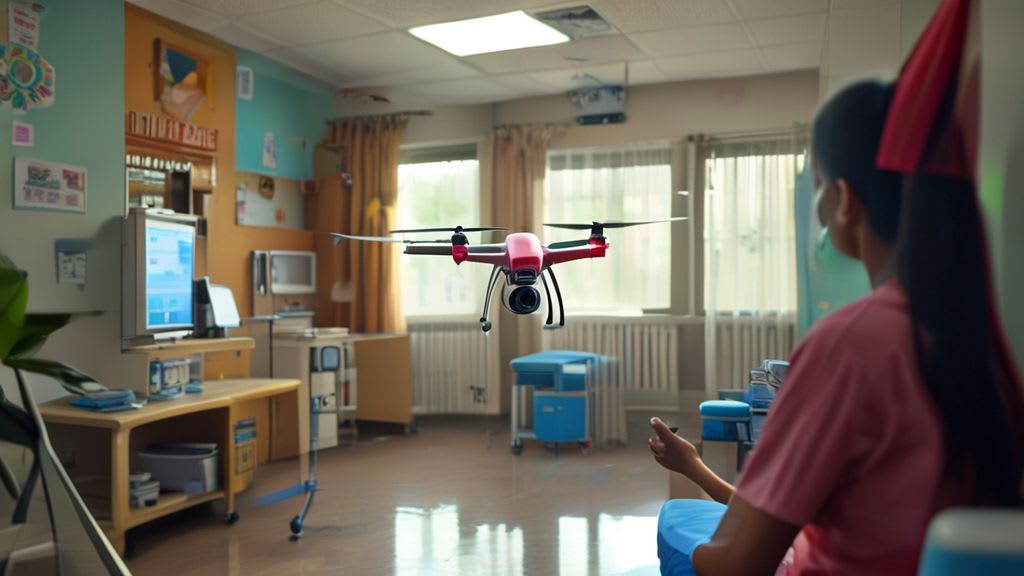
That's where drones come in. They offer a faster, more reliable, and often more cost-effective way to deliver vaccines, especially to hard-to-reach populations. They bypass the issues of traffic congestion (think Bengaluru!), challenging terrain, and limited infrastructure. Here's a look at some specific benefits:
- Speed: Drones can significantly reduce delivery times. Crucial for time-sensitive vaccines.
- Reach: They can access remote areas that are difficult or impossible to reach by traditional transport methods.
- Temperature Control: Specialized drone containers can maintain the required vaccine temperature throughout the journey.
- Reduced Wastage: Faster and more reliable delivery equals less spoilage and more people protected.
- Emergency Response: In times of outbreaks or natural disasters, drones can quickly deliver vaccines to affected areas.
Beyond vaccines, consider the potential for delivering essential medicines, blood products, and even diagnostic samples. Imagine a patient with a critical condition in a remote village in the Northeast needing a specific blood type urgently. A drone could potentially deliver that blood, quite literally saving a life. It’s a pretty powerful thought, isn’t it?
What's Happening in India? Drone Tech is Taking Flight!
The good news is, India isn’t standing still on this. There are already several pilot projects underway exploring the use of drones for healthcare delivery. For instance, initiatives are ongoing in Himachal Pradesh and Meghalaya to deliver medical supplies to remote health centers. There's also been discussion around utilizing drone corridors to facilitate efficient and safe drone operations. We’ve seen articles on how Telangana is actively working on integrating this technology.
Recently, our team at Nurse Nest Plus discussed the practical implications of wider drone adoption. While incredibly promising, there are challenges to overcome. Regulatory hurdles, airspace management, ensuring safety and security, and the cost of drone operation are all important considerations. But the potential benefits are so huge that it’s worth tackling these challenges head-on.
What Does This Mean for You and Your Family?
At the most basic level, wider adoption of drone technology for healthcare means improved access to vital medical supplies for *everyone*, particularly those living in rural or remote areas. It means fewer preventable diseases, less suffering, and healthier communities. It also means a more resilient healthcare system, better prepared to respond to emergencies.
As a home nursing provider, we see firsthand the challenges families face when accessing healthcare, especially for elderly relatives or those recovering from surgery. Imagine if we could reliably and quickly get essential medications or medical equipment delivered to someone's home, particularly when travel is difficult – after a hip replacement, for example, or during a bout of severe illness. It’s a game changer.
We, at Nurse Nest Plus, believe proactive healthcare is key, and that includes making sure the right resources are available when and where they're needed. Want to learn more about how we support families with in-home care? Reach out to us – we’re always happy to chat!
The Future Looks Bright (and a Little Drone-Filled!)
The Rwandan example is shining a light on what’s possible. It’s an inspiring reminder that technology, when used thoughtfully and ethically, can be a powerful force for good in healthcare. And while India’s challenges are unique, the potential for drones to revolutionize healthcare delivery is immense.
I truly believe that in the next few years, we’ll see drones becoming a common sight in the Indian healthcare landscape. It won't replace traditional methods entirely, but it will complement them, filling critical gaps and ensuring that everyone, regardless of their location, has access to the care they deserve. If you're curious about our company values and commitment to bettering healthcare in India, you can find more information here.
Related home-nursing services
Hospital-trained registered nurses across Delhi NCR for the care needs this article covers.