
Beyond the Smoke: Why ALL Nicotine – Vapes, Pouches, and More – is a Threat to Your Heart
Medically reviewed by Nishant Sharma, RN
A Worrying Trend We're Seeing
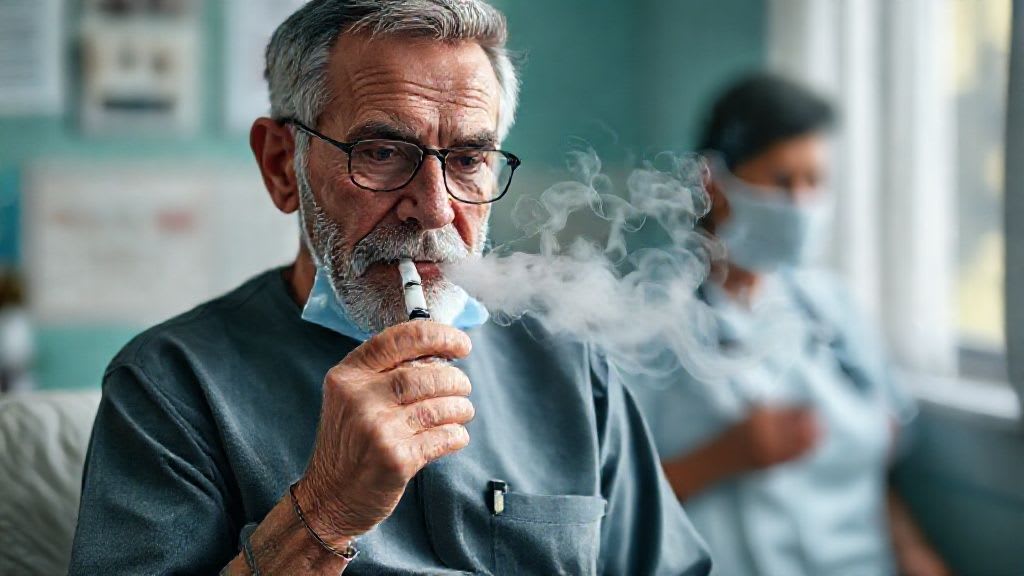
As nurses at Nurse Nest Plus, we've been noticing a shift in the habits of the people we care for, and their families too. It used to be primarily cigarettes, but now it's a mix - vapes are becoming incredibly popular, nicotine pouches seem 'harmless' to a lot of individuals, and even shisha is still around. Often, people think they're making a 'better' choice by switching from cigarettes to one of these alternatives. But here’s the crucial thing, and what's been reinforced recently by major health organizations like the European Society of Cardiology: nicotine itself is the problem, no matter how it gets into your system.
I remember Mrs. Sharma in Bangalore, a lovely woman in her early 70s. Her son, a tech professional, started vaping a couple of years ago, thinking it would help him quit smoking. He'd reassure her it wasn't 'real' smoke. But a few months back, he experienced chest pain and shortness of breath. Turns out, he'd had a mild heart attack. The doctors were very clear: even though he'd switched, the nicotine had been silently damaging his heart. It really brought home the point about how easily misconceptions can take root.
The Heart Doesn’t Discriminate: How Nicotine Damages You

Let’s talk about *how* nicotine harms your heart and blood vessels. It’s not just about lung cancer, though that's a huge risk with smoking. Nicotine is a stimulant. What does that mean? It immediately raises your blood pressure and heart rate. Think of it like constantly revving your engine – eventually, something’s going to overheat.
Here’s a breakdown of what nicotine does:
- Constricts blood vessels: Making it harder for blood to flow, raising blood pressure.
- Increases heart rate: Puts extra strain on your heart.
- Promotes blood clots: This is a big one! Clots can lead to heart attacks and strokes.
- Damages the lining of blood vessels: Making them more vulnerable to plaque buildup (atherosclerosis).
- Increases inflammation: Contributes to heart disease in the long run.
The ICMR (Indian Council of Medical Research) has recently published a study echoing these concerns, showing heightened heart attack risk even with vaping. It’s no longer a debate about which form of nicotine is ‘safer’ – it’s about understanding that all forms are dangerous to cardiovascular health.
Vapes, Pouches, Shisha… Are They Really ‘Better’?
This is the big question, isn’t it? Many believe vaping or using nicotine pouches is a harmless alternative. That’s simply not true. While they might eliminate some of the toxins found in cigarette smoke, they still deliver a significant dose of nicotine. In some cases, the nicotine concentration in these products can even be *higher* than in traditional cigarettes!
Vapes: The “harmless vapor” often contains harmful chemicals, and the long-term effects are still largely unknown. Plus, the act of vaping itself can cause lung damage. We've seen a rise in respiratory issues amongst younger adults in cities like Mumbai and Delhi, and vaping is definitely a contributing factor.
Nicotine Pouches: These are marketed as a discreet and smokeless option, but they deliver nicotine directly into your bloodstream through your gums. This rapid absorption can be particularly harmful. They're often seen as a 'modern' habit, but the risks are very real.
Heated Tobacco Products: While they don't burn tobacco, they still heat it to a point where harmful chemicals are released. It's a slightly different pathway to the same dangerous outcome.
Shisha (Hookah): Don't be fooled by the flavored tobacco and social setting. Shisha sessions often involve inhaling a large volume of smoke over a prolonged period, exposing you to high levels of nicotine and other toxins. It's a common sight at gatherings in cities like Hyderabad, but it's a serious health risk.
What Can You Do? Practical Advice from Our Team

Okay, so this all sounds a bit scary. But the good news is, it’s never too late to protect your heart. Here’s what we recommend, based on our experience at Nurse Nest Plus:
- Talk to your doctor: This is the most important step. They can assess your individual risk factors and recommend the best course of action.
- Nicotine Replacement Therapy (NRT): Patches, gum, lozenges – these can help manage withdrawal symptoms and make quitting easier.
- Counseling & Support Groups: Quitting is tough, and having support can make all the difference.
- Lifestyle Changes: A healthy diet, regular exercise, and stress management are all crucial for heart health.
A personal tip: I’ve seen many people underestimate the power of mindfulness. Simple techniques like deep breathing exercises or meditation can help you cope with cravings and reduce stress, which are often triggers for nicotine use.
Also, remember to be aware of secondhand exposure. Even being around someone who is vaping or smoking can be harmful to your health.
We're Here to Help – Beyond Just Medical Care
At Nurse Nest Plus, we understand that quitting is more than just a physical challenge. It takes courage, determination, and often, a supportive environment. We don’t just provide medical care; we offer companionship and encouragement to our patients and their families.
If you or a loved one is struggling with nicotine addiction, please don't hesitate to contact us. We can connect you with resources, provide support, and help you navigate the journey to a healthier life. We’re committed to providing comprehensive care, and that includes helping you break free from the hold of nicotine.
Your heart deserves better. Don't let nicotine steal years from your life. It's time to prioritize your health and choose a smoke-free, vape-free, and nicotine-free future.
Related home-nursing services
Hospital-trained registered nurses across Delhi NCR for the care needs this article covers.