
Understanding Urethral Cancer: A Guide for Families, With a Focus on Indian Experiences

Medically reviewed by Nishant Sharma, RN
What is Urethral Cancer, and Why Should We Talk About It?
Let's be honest, when we think of cancer, the urethra isn't usually the first place it crosses our minds, is it? It's a relatively rare cancer – affecting the tube that carries urine from the bladder out of the body. At Nurse Nest Plus, based in Bengaluru, we often find families are understandably unsure when facing a diagnosis like this. It feels scary because, let's face it, anything 'below the surface' can feel incredibly vulnerable and complex.
Recently, our team was reviewing a detailed study published in Cureus – a 'Systematic Review of the Clinical Features, Management, and Outcomes in Urethral Squamous Cell Carcinoma' – and it really highlighted the importance of understanding this condition. It’s not something that gets discussed openly, and that silence can be incredibly isolating for patients and their families. We want to break that silence and offer some clear, compassionate information.
Recognizing the Signs: What to Watch For

Urethral cancer, particularly squamous cell carcinoma (the most common type), can present with some tricky symptoms because they can mimic more common conditions, like urinary tract infections (UTIs). That’s what makes early detection so vital, and sometimes, so difficult. Here’s what to look out for:
- Difficulty Urinating: This might feel like you have to strain, or that the flow is weak or interrupted.
- Blood in the Urine (Hematuria): Always get this checked out immediately, though it doesn’t *always* mean cancer.
- Pain or Discomfort: Pain during urination or in the pelvic area.
- Sores or Growths: Any visible sores or lumps near the urethral opening.
- Frequent UTIs: If someone is experiencing UTIs that just won’t clear up, or are happening more and more often, it’s important to investigate further.
I remember working with a patient, Mrs. Sharma, in Mumbai a few years back. She kept dismissing her urinary discomfort as ‘just getting older’ and attributed the frequent burning sensation to the spicy food she loved! Thankfully, her daughter insisted on a thorough check-up, and they caught the issue relatively early. This scenario underscores the need to advocate for loved ones, especially as they age. Often, symptoms get brushed aside.
Diagnosis & Treatment: A Collaborative Approach
If a doctor suspects urethral cancer, they'll likely perform several tests. This can include a cystoscopy (looking inside the urethra and bladder with a thin, lighted tube), a biopsy (taking a small tissue sample for examination), and imaging scans like CT or MRI.
Treatment options really depend on how far the cancer has spread. They’re also evolving – the Cureus review noted how treatment protocols are becoming more individualized. The common approaches include:
- Surgery: This is often the primary treatment, where the affected part of the urethra is removed. Sometimes, more extensive surgery is needed, potentially involving the bladder or other nearby organs.
- Chemotherapy: Used to kill cancer cells, often before or after surgery.
- Radiation Therapy: Another way to destroy cancer cells, potentially as an alternative or addition to surgery.
- Immunotherapy: Utilizes the body’s own defenses to fight cancer -- this is a newer approach showing promise.
We see a lot of patients transitioning home after significant surgery, particularly in cities like Chennai and Hyderabad where specialized cancer hospitals are prominent. Recovering at home, with proper support, is crucial. At Nurse Nest Plus, we help with things like wound care, medication management, and monitoring for complications - ensuring a smooth transition and quicker recovery – learn more about our post-operative care services here.
Navigating the Challenges: A Family's Role
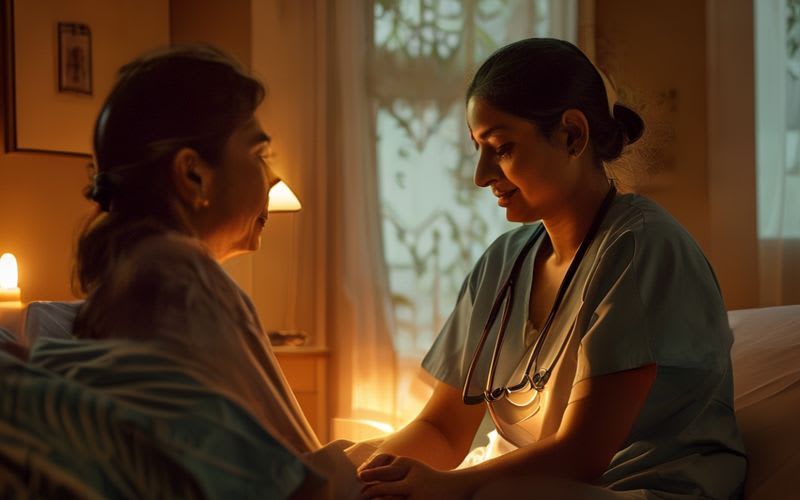
Being a caregiver for someone with urethral cancer *isn’t easy*. There’s a huge emotional toll. There’s the worry, the appointments, the logistical challenges… And let's be realistic, cancer treatment can be expensive and navigating the healthcare system in India can be complex.
Here are a few practical tips that our nurses often share with families:
- Be a Strong Advocate: Don't be afraid to ask questions, seek second opinions, and ensure your loved one’s concerns are addressed.
- Focus on Nutrition: A healthy diet is essential for recovery. Ensure they are getting enough protein, vitamins, and fluids.
- Manage Side Effects: Treatment can cause fatigue, nausea, and other side effects. Work with the medical team to find ways to manage these.
- Prioritize Emotional Support: This is perhaps the most important. Just *being there* to listen and offer encouragement can make a world of difference.
I once had a family express how overwhelmed they were with the information – they felt lost in medical terminology. A simple thing, like keeping a notebook dedicated to appointments, doctor instructions and questions, made a huge difference for them. It helped them feel more in control.
What Does the Future Hold? The Role of Research and Home Care
The good news is that research into urethral cancer is ongoing. Studies like the one reviewed in Cureus are helping doctors understand the disease better and develop more effective treatments. Early detection remains key to successful outcomes.
At Nurse Nest Plus, we believe that quality home care plays a vital role in the overall cancer journey. It allows patients to recover in a comfortable, familiar environment, surrounded by loved ones. We can provide specialized care, from catheter management to pain control, allowing families to focus on what truly matters: being together.
If you or a loved one is facing a diagnosis of urethral cancer, please remember that you are not alone. Reach out to your doctor, support groups, and organizations like ours. Don't hesitate to contact us to discuss how we can help. We’re here to support you every step of the way. We've been serving families across India for years, and are passionate about providing compassionate, professional care - learn more about our mission.
Related home-nursing services
Hospital-trained registered nurses across Delhi NCR for the care needs this article covers.