
Post-Surgery Home Care in Delhi: Expert Tips for Safe and Fast Recovery at Home
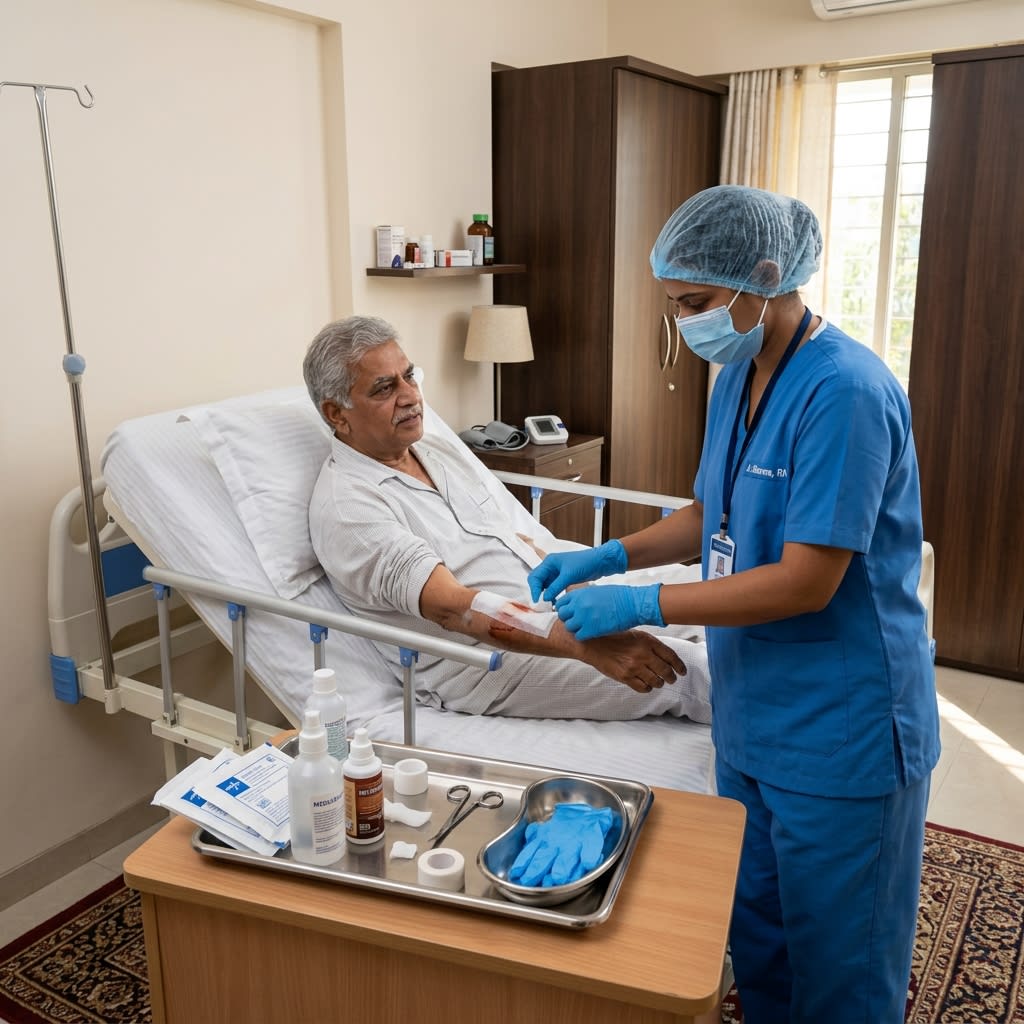
Every year, millions of surgeries are performed in Delhi NCR's hospitals – from joint replacements and cardiac procedures to appendectomies and C-sections. While surgical techniques have advanced dramatically, the recovery phase at home remains the most critical period for preventing complications and ensuring a full return to health.
At NurseNest Care, we specialise in post-surgical home nursing care across Delhi, helping patients recover faster and safer in the comfort of their own homes.
Why Post-Surgery Home Care Matters
Hospitals discharge patients earlier than ever before. What used to require 10 days of hospitalisation may now mean just 2-3 days. This means the critical recovery period happens at home, where:
- Infection risk is highest in the first 2 weeks after surgery
- Pain management needs careful monitoring to avoid under-treatment or medication dependency
- Blood clot risk (DVT) remains elevated for 4-6 weeks after major surgery
- Wound complications – If not properly managed, surgical wounds can develop infections, dehiscence, or delayed healing
- Nutritional needs are significantly different during the healing phase
Types of Surgery That Need Professional Home Care
Orthopaedic Surgeries
- Total knee replacement (TKR) – 6-12 weeks of guided physiotherapy and wound care
- Total hip replacement (THR) – Strict movement precautions and positioning requirements
- Spinal surgery – Brace management, movement restrictions, and pain control
- Fracture fixation – Progressive mobilisation and weight-bearing protocol
Cardiac Surgeries
- Coronary bypass (CABG) – Sternal precautions, cardiac rehabilitation, and medication management
- Valve replacement – Anti-coagulation monitoring and activity progression
- Pacemaker/ICD implantation – Wound care and activity restrictions
Abdominal and General Surgeries
- Appendectomy, hernia repair, gallbladder removal – Diet progression and wound monitoring
- Cancer surgeries – Complex wound care, drain management, and chemotherapy coordination
- C-section delivery – Mother and newborn care simultaneously
Critical Post-Surgery Care Steps at Home
1. Wound Care Management
Surgical wound infection is the #1 post-operative complication:
- Keep the wound dry and clean – Follow the surgeon's specific instructions on when to start bathing
- Change dressings as prescribed – typically every 24-48 hours or when soiled
- Use sterile technique – Wash hands, wear gloves, use sterile gauze and antiseptic solution
- Watch for infection signs – Increasing redness, swelling, warmth, pus discharge, fever above 100.4°F, or foul smell
- Protect the wound – Avoid tight clothing over the incision; keep pets away from the wound area
- Drain management – If surgical drains are in place, record output volume and colour daily
2. Pain Management
Effective pain control is essential for recovery – uncontrolled pain delays healing:
- Take pain medications on schedule, not just when pain becomes severe
- Use the prescribed combination of medications (paracetamol + anti-inflammatory + muscle relaxant)
- Apply ice packs (wrapped in cloth) for 15-20 minutes at a time to reduce swelling
- Elevate the operated limb to reduce swelling and pain
- Use pillows for comfortable positioning in bed
- Report inadequate pain control to the doctor – don't suffer silently
3. Preventing Blood Clots (DVT)
Deep vein thrombosis is a serious risk after surgery, especially for elderly patients:
- Wear compression stockings as prescribed
- Perform ankle pump exercises every hour while awake
- Take prescribed blood thinners exactly as directed
- Avoid prolonged immobility – change position every 2 hours
- Stay hydrated – drink at least 2 litres of water daily
- Alert signs: Sudden calf pain, redness, or swelling in one leg – seek immediate medical help
4. Nutrition for Surgical Recovery
The body needs specific nutrients to heal surgical wounds:
- Protein – Essential for wound healing. Include dal, paneer, eggs, chicken, fish, and milk at every meal
- Vitamin C – Boosts collagen production. Amla, oranges, guava, lemon, tomatoes
- Iron – Prevents anaemia from surgical blood loss. Spinach, jaggery, pomegranate, beetroot
- Zinc – Accelerates healing. Pumpkin seeds, nuts, whole grains
- Fibre – Prevents constipation (common with pain medications). Whole grains, fruits, vegetables
- Hydration – At least 2.5 litres of water/fluids daily. Coconut water, buttermilk, and soups
5. Progressive Mobilisation
Getting moving safely is critical for recovery:
- Day 1-3: Bed exercises – ankle pumps, deep breathing, gentle limb movements
- Day 3-7: Assisted sitting, standing, and short walks with support
- Week 2-4: Increasing walking distance and duration; stair climbing with assistance
- Month 2-3: Progressive return to daily activities; guided physiotherapy
- Always follow your surgeon's specific protocol – some surgeries require longer immobilisation
When to Call the Doctor After Surgery
Seek immediate medical attention for:
- Fever above 101°F (38.3°C) that persists
- Wound opening, heavy bleeding, or pus discharge
- Sudden severe pain not relieved by prescribed medications
- Difficulty breathing or chest pain
- Inability to urinate for more than 8 hours
- Persistent nausea/vomiting preventing food or fluid intake
- Calf pain, redness, or swelling (signs of blood clot)
How NurseNest Care Supports Post-Surgery Recovery
- Expert wound care – Clinical-grade dressing changes with sterile technique
- Pain management – Medication timing, ice therapy, and comfort positioning
- Vitals monitoring – Temperature, BP, pulse, oxygen levels checked multiple times daily
- Physiotherapy assistance – Guided exercises as per the surgeon's rehabilitation plan
- Nutrition planning – Recovery-focused meal guidance for the family
- Doctor coordination – Daily progress reports and immediate escalation of any concerns
- 24/7 nursing care – Day and night duty nurses available across Delhi NCR
NurseNest Care – Expert Post-Surgery Nursing at Home, Because Recovery Should Be Safe, Comfortable, and Complete
Related home-nursing services
Hospital-trained registered nurses across Delhi NCR for the care needs this article covers.