Sunshine, Supplements & Staying Strong: What You Need to Know About Vitamin D & Cancer

Medically reviewed by Nishant Sharma, RN
Let's Talk Vitamin D and Cancer - Separating Fact from Fiction
Hi everyone. As a nurse with Nurse Nest Plus, based here in Bengaluru, I often get asked about vitamins and their role in staying healthy – especially when someone we care for is facing a health challenge. Lately, Vitamin D and its connection to cancer has been a *big* topic. You’ve probably read articles, seen things on social media… but honestly, it can be confusing! So, let's break it down, simply and honestly, like I would if we were chatting over a cup of chai.
There’s a lot of hype, and frankly, some misinformation floating around. We're seeing increased awareness about preventative healthcare, which is fantastic, but it needs to be based on solid evidence. I've seen families in Mumbai, Delhi, and even right here in Bengaluru frantically trying to ‘boost’ Vitamin D levels after a cancer diagnosis, hoping it's a magic bullet. While Vitamin D *is* important, it's rarely that simple.
Why the Buzz About Vitamin D Anyway?
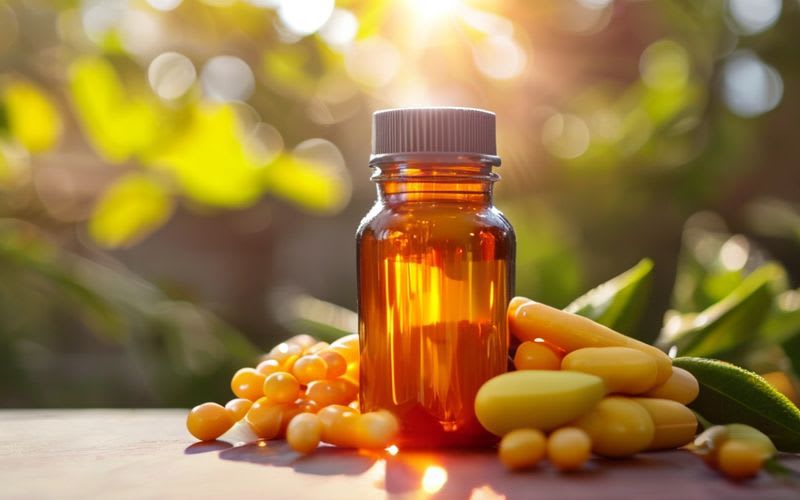
Vitamin D isn’t just a vitamin; it actually acts like a hormone in our bodies. It plays a crucial role in calcium absorption, bone health, and importantly, immune function. And a strong immune system is key to fighting off all sorts of illnesses, including cancer. Early research suggested a link between low Vitamin D levels and a higher risk of developing certain cancers, and even poorer outcomes for those already diagnosed. This sparked a lot of hope, and understandably so.
But here’s where it gets tricky. Correlation doesn’t equal causation. Just because people with cancer often have low Vitamin D doesn’t mean the low Vitamin D *caused* the cancer. It could be the cancer itself causing the Vitamin D deficiency, or it could be that both are linked to another factor – like lifestyle, diet, or even geographical location. We see this a lot in India, where cultural practices can sometimes limit sun exposure, especially for women and older adults.
What Does the Recent Evidence Tell Us? (2021-2025)
The good news is, researchers haven’t stopped digging. Recent studies (and articles like the one from Oncodaily) are giving us a clearer picture. And it's more nuanced than we initially thought.
- Prevention: The evidence for Vitamin D *preventing* cancer is still mixed. Some studies show a slight reduction in risk for certain cancers (like colorectal cancer) with adequate Vitamin D levels, but others haven’t found a significant link.
- Treatment: This is where things get really interesting. Large-scale clinical trials investigating whether high-dose Vitamin D improves cancer treatment outcomes have largely been *disappointing*. They haven’t shown a clear benefit in terms of survival or slowing disease progression.
- Specific Cancers: There's some emerging evidence suggesting a potential role for Vitamin D in improving outcomes for specific types of cancer, like prostate cancer, when combined with standard treatment. But this is still very preliminary.
- Personalized Approach: What’s becoming increasingly clear is that Vitamin D’s impact likely varies from person to person. Genetics, overall health, and the specific type of cancer all play a role.
Essentially, we’re learning that Vitamin D is likely one piece of a very complex puzzle, and isn't a standalone cure or foolproof preventative measure.
Are Supplements the Answer? A Note of Caution.

Now, you might be thinking, “Okay, so I’ll just take a Vitamin D supplement!” Hold on a moment. While supplementation can be helpful for people who are genuinely deficient, more isn’t always better. In fact, excessive Vitamin D intake can lead to toxicity, causing nausea, weakness, and even kidney problems. I've personally known a case in Chennai where a well-meaning family member insisted on extremely high doses of Vitamin D for their mother undergoing chemotherapy, and it ended up causing severe side effects that actually delayed her treatment. It’s a really important lesson.
The best way to know if you need a supplement is to get your Vitamin D levels checked by a doctor. They can then recommend an appropriate dosage based on your individual needs. Don't self-medicate, especially if you're already undergoing cancer treatment. Always discuss any supplements with your oncologist.
Boosting Vitamin D Naturally – The Indian Way
Before reaching for a pill, let’s explore natural ways to increase Vitamin D. And thankfully, in India, we have a pretty good starting point – sunshine! However, it's not as simple as just spending hours in the sun. Here are a few things to keep in mind:
- Timing is Key: The sun’s rays are strongest between 10 am and 3 pm. But even then, prolonged exposure can be harmful. Aim for 15-20 minutes of sun exposure on your arms and legs a few times a week.
- Skin Tone Matters: People with darker skin need more sun exposure to produce the same amount of Vitamin D as those with lighter skin.
- Dietary Sources: While not as abundant as sunshine, some foods contain Vitamin D. Fatty fish (like salmon and mackerel), egg yolks, and fortified foods (like some milk and cereals) can contribute.
- Consider Your Lifestyle: If you work indoors, live in a city with a lot of pollution (like Delhi during peak season), or cover up extensively for cultural reasons, you may be at higher risk of deficiency.
I often advise families we work with at Nurse Nest Plus to incorporate short walks during daylight hours into their routines, even if it's just around the garden or on the balcony. It's a small change that can make a big difference.
What Does This Mean for You and Your Family?
So, where does all this leave us? Here’s my take, as a nurse who cares about providing practical advice:
- Don’t Panic: Vitamin D is important, but it’s not a miracle cure for cancer.
- Get Tested: Talk to your doctor about getting your Vitamin D levels checked.
- Follow Medical Advice: If you are diagnosed with cancer, work closely with your oncologist to develop a treatment plan. Don’t add supplements without their approval.
- Focus on Overall Health: A healthy diet, regular exercise, and plenty of sleep are all crucial for supporting your immune system and overall well-being.
- Seek Support: Dealing with cancer is incredibly challenging. Lean on your family, friends, and healthcare team for support. We at Nurse Nest Plus are here to help with compassionate in-home care.
If you have any questions or concerns, please don’t hesitate to reach out to our team. We’re always happy to provide information and support.
Related home-nursing services
Hospital-trained registered nurses across Delhi NCR for the care needs this article covers.