RSV in Infants: A Parent's Guide to Prevention and Care
Medically reviewed by Nishant Sharma, RN
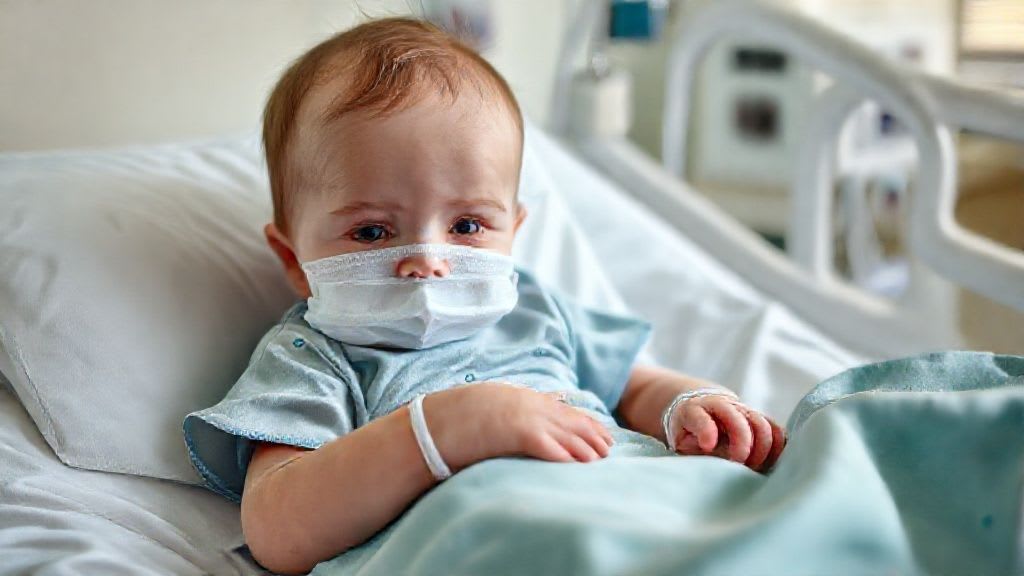
Respiratory Syncytial Virus (RSV) is a common respiratory virus that usually causes mild, cold-like symptoms. However, for infants, especially those under six months, RSV can be serious and even life-threatening. Recent advancements in preventative treatments are offering hope, and understanding these options is crucial for parents. This blog post, inspired by expert insights from UMass Chan Medical School, will delve into RSV, its risks for infants, and how to protect your little one.
What is RSV and Why is it Dangerous for Babies?
RSV spreads through close contact with someone who is infected. Symptoms in infants can include a runny nose, decreased appetite, cough, sneezing, fever, and wheezing. In severe cases, it can lead to bronchiolitis (inflammation of the small airways in the lungs) and pneumonia. Infants are particularly vulnerable because their airways are smaller, making it easier for the virus to cause obstruction. Premature babies and those with underlying heart or lung conditions are at even higher risk.
Preventative Treatments: What are the Options?
The good news is that there are now preventative options available. Nirsevimab, a long-acting monoclonal antibody, is a relatively new treatment showing promising results in protecting infants from RSV. It's given as a single injection and provides protection for several months, coinciding with the typical RSV season. Another option, though traditionally for high-risk infants, is palivizumab, also a monoclonal antibody, requiring monthly injections. The UMass Chan expert highlights the importance of discussing these options with your pediatrician to determine the best course of action for your child.
Beyond Treatments: Proactive Steps You Can Take
Prevention is always better than cure. Here are some essential steps to protect your infant from RSV:
- Frequent Handwashing: Wash your hands thoroughly and often, especially before touching your baby.
- Avoid Close Contact with Sick Individuals: Keep your baby away from anyone showing cold-like symptoms.
- Disinfect Surfaces: Regularly clean and disinfect frequently touched surfaces.
- Avoid Large Gatherings: During RSV season, consider limiting exposure to crowded places.
- Breastfeeding: If possible, breastfeeding can provide some immunity to your baby.
Home Nursing Support for Families Dealing with RSV
If your infant does contract RSV, managing the symptoms at home is often possible, but can be incredibly demanding for parents. Nurse Nest Plus provides compassionate and skilled nursing care in the comfort of your home. Our nurses can assist with medication administration, monitoring vital signs, providing respiratory support (as directed by a physician), and offering emotional support to both the baby and the family. We understand the stress and anxiety that come with a sick infant, and we are here to help. We also offer post-discharge care to ensure a smooth transition after a hospital stay.
Navigating a child's illness can be overwhelming. Our streamlined process ensures you receive the care you need quickly and efficiently.
Don't hesitate to contact us if you have any questions or need assistance. You can also learn more about Nurse Nest Plus and our commitment to providing high-quality care.
We've helped many families through challenging times, and you can read testimonials from satisfied clients on our reviews page.
Related home-nursing services
Hospital-trained registered nurses across Delhi NCR for the care needs this article covers.