
Keeping Muscles Young: What Recent Research Means for Your Loved Ones (and a Little Bit About My Ajji!)

Medically reviewed by Nishant Sharma, RN
Why Do Muscles Feel 'Old' Anyway?
We all know that feeling, don't we? That little ache when you climb the stairs, the extra effort it takes to get up from a chair, or noticing your parents or grandparents moving a bit slower. It's often just dismissed as 'ageing', but what's *actually* happening inside those muscles? Well, it's a bit like a well-loved, but slightly rusty, machine. Over time, our muscles lose some of their ability to repair themselves efficiently. This isn't just about looking less toned; it impacts everything from balance and strength to overall independence.
Recently, some brilliant scientists at Duke-NUS in Singapore have shed some light on *how* exercise helps reverse this process. And honestly, it’s incredibly encouraging news, especially for us at Nurse Nest Plus, because we see firsthand the difference strong muscles can make in someone’s quality of life.
The Science Behind Muscle Repair & Exercise
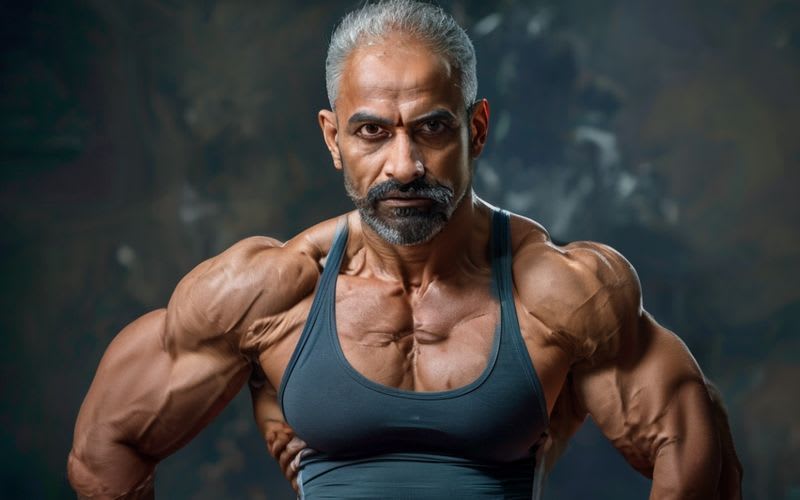
The Duke-NUS research, as reported by Asia Research News, focuses on something called 'mitochondrial dynamics'. Now, that sounds complicated, but bear with me! Mitochondria are the powerhouses of our cells – they provide the energy for everything we do. As we age, these mitochondria become less efficient at fusing and dividing, which is crucial for repairing damaged muscle tissue.
What the researchers found is that exercise actually boosts this mitochondrial fusion process! It's like giving those powerhouses a tune-up, allowing them to work better and help the muscles recover more effectively. They identified a key protein, mTOR, that plays a role in this. Exercise activates mTOR, promoting muscle repair. It’s not simply *that* you exercise, but how it impacts these fundamental cellular processes.
What This Means in the Real World (and a Story About Ajji)
This is where it gets genuinely exciting. Knowing that exercise directly stimulates muscle repair gives us a much stronger reason to encourage physical activity for elderly loved ones. Now, I’m not talking about marathon training! Even gentle, regular movement can make a huge difference.
I remember my own grandmother, Ajji. She lived in a small town near Mysore and insisted on walking to the local temple every day, even well into her 80s. It wasn’t a short walk, and we worried, naturally! But she’d always say, “Better to wear out than rust.” She wasn’t a scientist, but she intuitively understood that staying active kept her muscles (and her spirit!) strong. She maintained incredible independence, managing her own home and garden for much longer than many of her peers.
This research validates that wisdom. It’s about finding activities that are enjoyable and sustainable, fitting within individual capabilities.
Practical Tips for Staying Active (Especially at Home)

So, what does this look like in practice? Here's a few ideas, from our experience helping families across Bengaluru and beyond, at Nurse Nest Plus:
- Chair Yoga: Fantastic for flexibility and gentle strength building. There are tons of free videos online!
- Walking Indoors: Especially helpful during monsoon season or extreme heat, common in cities like Mumbai and Delhi. Even pacing around the house can be beneficial.
- Simple Resistance Exercises: Using soup cans or water bottles as light weights. Bicep curls, tricep extensions, shoulder raises – all these can be done safely at home. *Always* start with very low weight and focus on proper form.
- Gardening: For those who enjoy it, gardening is a surprisingly good workout!
- Regular Check-ins with a Nurse: Our team can assess your loved one’s mobility and create a personalized exercise plan. We can also help ensure they’re performing exercises safely. You can contact us to learn more.
It’s also crucial to listen to the body. Pain is a signal! Pushing too hard can lead to injuries, which then set back progress. Gradual progression is key. Don't try to go from zero to hero overnight.
The Role of Nutrition
Exercise is a huge piece of the puzzle, but it’s not the whole story. Muscles need fuel to repair themselves, and that comes from a good diet. Protein is particularly important – think dals, paneer, eggs, fish (if part of the diet).
We often see variations in dietary habits when providing care. For instance, in some South Indian families, we've noticed a higher intake of carbohydrates, which is wonderful for energy, but sometimes needs to be balanced with sufficient protein. Ensuring adequate hydration is also vital.
A balanced diet, rich in nutrients, combined with regular exercise, creates the optimal environment for muscle repair and maintenance.
Why Nurse Nest Plus is Particularly Focused on This
At Nurse Nest Plus, we aren’t just about providing medical care; we’re about supporting independence and enhancing the quality of life for our clients. We frequently work with individuals recovering from falls, surgeries (like hip replacements which are becoming common), or managing chronic conditions that affect mobility.
Strong muscles aren’t just about physical strength; they're about emotional well-being too. Being able to perform daily tasks independently – from making a cup of chai to visiting friends – has a profound impact on a person’s spirit. We’ve seen clients regain confidence and a sense of purpose simply by being able to move more freely. And that’s incredibly rewarding for our team.
My own nursing journey started with a desire to help people remain *themselves* for as long as possible. It’s why I am so drawn to this research. It gives us another powerful tool to help achieve that goal. It's a reminder that ageing doesn't have to mean inevitable decline, and that proactive steps – like exercise and good nutrition – can make a world of difference.
So, let’s encourage our loved ones to keep moving, to embrace the power of exercise, and to remember Ajji’s wisdom: better to wear out than rust!
Related home-nursing services
Hospital-trained registered nurses across Delhi NCR for the care needs this article covers.