Keeping Our Homes Healthy: A Nurse's Guide to Preventing Infections, Especially During Emergencies

Medically reviewed by Nishant Sharma, RN
Why This Matters, Especially Now
Namaste! I’m Priya, a senior nurse with Nurse Nest Plus here in Bengaluru. We’ve all been through a lot these past few years, haven’t we? The pandemic really brought home the importance of keeping our surroundings clean and understanding how infections spread. Seeing families struggle, especially with loved ones vulnerable at home, truly highlighted for our team the gaps in simple, yet effective, health practices. It’s not just about hospitals; a huge part of staying healthy happens *within* our homes, and being prepared for emergencies is vital.
Recently, the World Health Organization (WHO) released a really comprehensive guide – “Infection prevention and control and water, sanitation and hygiene in health emergencies readiness for response operations capabilities: user guide and checklist.” Sounds a bit daunting, right? Don't worry, it's a fantastic resource, but we’re going to break down the essentials into simple, manageable steps you can take. Think of it as building a strong shield around your family’s health.
The Core: Water, Sanitation & Hygiene (WASH)

This is where it all begins. Good WASH practices aren’t just about comfort; they’re the frontline defense against so many illnesses. In India, access to clean water isn’t always consistent, even in bustling cities like Mumbai or Delhi. We see it frequently during our home visits – families rationing water, or relying on sources that aren’t reliably clean. This makes infection control much harder!
Let’s break it down:
- Water: Always aim for safe, treated water. If water quality is a concern, boiling for one minute is a good start. Consider a water filter, especially if you’re in an area prone to contamination.
- Sanitation: This means proper toilet facilities. A functional toilet that separates waste from living areas is crucial. Regular cleaning with disinfectant is a must. Open defecation, sadly still prevalent in some areas, creates a breeding ground for disease.
- Hygiene: This is personal cleanliness! Handwashing is your superpower. Don't just rinse; scrub with soap for at least 20 seconds, especially after using the toilet, before preparing food, and after touching potentially contaminated surfaces.
I remember visiting a family in a smaller town near Mysore. They had a beautiful garden, but the toilet was quite far from the house and not well-maintained. We worked with them to understand the link between sanitation and their children's frequent illnesses, and thankfully, they were open to making improvements.
Simple Infection Prevention Steps You Can Take Today
Beyond WASH, there are simple habits that can make a huge difference. These seem basic, but consistency is key.
- Respiratory Hygiene: Cover your mouth and nose with a tissue or your elbow when you cough or sneeze. Dispose of used tissues properly.
- Environmental Cleaning: Regularly clean surfaces – doorknobs, light switches, countertops – with disinfectant.
- Safe Food Handling: Wash fruits and vegetables thoroughly, cook food to the proper temperature, and store leftovers correctly. Foodborne illnesses are common, particularly during monsoon season.
- Waste Management: Properly dispose of all waste, especially medical waste like bandages or used syringes (if you’re administering medications at home).
- Laundry Practices: Wash clothes and linens frequently, especially if anyone is sick. Use hot water and detergent.
Preparing for Health Emergencies: A Checklist Mentality
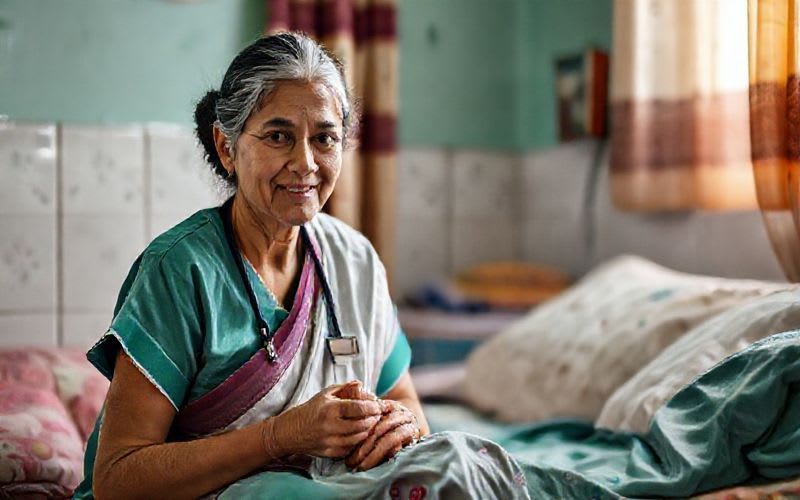
The WHO guide really emphasizes preparedness. What happens when there's a flood like we see in Kerala, or a heatwave in Rajasthan? These situations can disrupt access to clean water and sanitation, and increase the risk of outbreaks. Here's where a little planning goes a long way:
- Emergency Water Supply: Keep a supply of bottled water or have a plan for purifying water if the supply is contaminated.
- Hygiene Kit: Assemble a kit with soap, hand sanitizer, disinfectant wipes, tissues, and garbage bags.
- First Aid Kit: A well-stocked first aid kit is essential. And know how to use it!
- Communication Plan: Have a way to communicate with family members and emergency services.
- Knowledge is Power: Understand common symptoms of infectious diseases in your area and know where to seek medical help.
Our team at Nurse Nest Plus often advises clients to have a simple emergency plan written down. It's amazing how much calmer everyone feels when they've discussed what to do in a crisis.
When Someone at Home is Sick: Extra Precautions
If a family member develops an infectious illness (like the flu, COVID-19, or a gastrointestinal infection), you need to take extra precautions to protect others.
- Isolation: If possible, isolate the sick person in a separate room.
- Dedicated Items: Give the sick person their own set of dishes, cutlery, and towels.
- Caregiver Protection: If you're caring for the sick person, wear a mask and gloves, and wash your hands frequently.
- Ventilation: Ensure good ventilation in the room.
- Disinfection: Disinfect frequently touched surfaces.
We've seen firsthand how quickly illnesses can spread within a household. Early intervention and diligent hygiene practices can significantly reduce the risk. Don't hesitate to reach out for professional help if you're overwhelmed – that's what we're here for! You can find out more about our services at Nurse Nest Plus Services.
Resources and Getting Help
The WHO guide is a valuable resource, but it can be a bit overwhelming. Here are a few more helpful links:
- WHO – Infection prevention and control and WASH guide
- Your local public health department (search online for “[Your City] Public Health Department”)
And of course, if you need personalized support for home healthcare, including infection prevention guidance, please don’t hesitate to contact our team at Nurse Nest Plus. We’re dedicated to providing compassionate and reliable care. You can also learn more about who we are and our values on our About Us page.
Remember, a healthy home is a happy home. By taking these simple steps, you can create a safer and healthier environment for your family, especially when emergencies arise. Stay safe, and stay well!
Related home-nursing services
Hospital-trained registered nurses across Delhi NCR for the care needs this article covers.