
A Growing Heart: Understanding & Caring for Adults with Congenital Heart Disease in India

Medically reviewed by Nishant Sharma, RN
It's Not Just a Childhood Illness Anymore
For years, when we thought about congenital heart disease (CHD), the image that often came to mind was a little child undergoing surgery. And thankfully, pediatric cardiology in India has made incredible strides – centres in cities like Mumbai, Delhi, and Chennai are now equipped to handle even the most complex cases. But here's something that often surprises families: more and more people born with CHD are now adults, living full, relatively active lives. And because of the amazing improvements in childhood heart surgery, we're seeing a whole new wave of individuals needing specialized care well into their 30s, 40s, and beyond. It’s really a testament to how far medicine has come.
Recently, the American College of Cardiology (ACC) and the American Heart Association (AHA) released updated guidelines specifically addressing the management of CHD in adults. This is big news because for a long time, adults with CHD kind of fell through the cracks – care wasn’t always coordinated between pediatric cardiologists and the general cardiology/adult healthcare system.
Why the Need for Adult-Specific Guidelines?

You see, a heart that's been 'fixed' – even successfully – as a child isn't quite the same as a heart that developed normally. There can be long-term consequences. Think of it like this: if you have a small repair done on your home’s foundation, it might be structurally sound, but you still need regular check-ups to ensure everything remains stable. Similarly, adults with CHD need ongoing, specialized monitoring.
These guidelines acknowledge that things change as people age. What was manageable in their 20s might become more challenging in their 40s, especially with the added stresses of careers, families, and even just daily life in a bustling city like Bengaluru. For example, someone with a previously repaired Tetralogy of Fallot might develop pulmonary valve issues or arrhythmias decades later. We've definitely seen this at Nurse Nest Plus, with clients needing help managing complex medication schedules and recognizing subtle changes in their condition.
What Does This Mean for You and Your Family?
Let's break down some key areas covered in the new guidelines – and what they mean for practical care:
- Regular Check-ups are Crucial: This isn't just a yearly physical. Adults with CHD need to see a cardiologist experienced in adult congenital heart disease – often this means finding a specialist. These visits should include a thorough physical exam, ECG, echocardiogram, and potentially MRI or CT scans.
- Understand Your Specific Condition: Each type of CHD has unique long-term risks. Knowing what you’re dealing with empowers you to be an active participant in your care. Ask your doctor to explain everything clearly, in language you understand.
- Medication Management: Many adults with CHD require lifelong medication to control blood pressure, prevent blood clots, or manage arrhythmias. Taking medications as prescribed is essential.
- Lifestyle Modifications: While most individuals with CHD can lead active lives, some adjustments might be necessary. This could include dietary changes, regular exercise (under medical supervision), and avoiding smoking.
- Family Planning: This is a big one that often gets overlooked. Women with CHD need to discuss the risks of pregnancy with their cardiologist before trying to conceive. And men with certain types of CHD may face fertility challenges.
I remember one specific case in Delhi where a woman in her late 30s, who had a repaired atrial septal defect as a child, suffered heart failure during her second pregnancy. She hadn’t been followed up by a specialized adult CHD cardiologist, and the increased demands on her heart weren't adequately anticipated. The outcome could have been different with preventative care. It highlighted for our team the absolutely vital importance of continuity of care and specialist knowledge.
The Role of Home Nursing in Long-Term Management
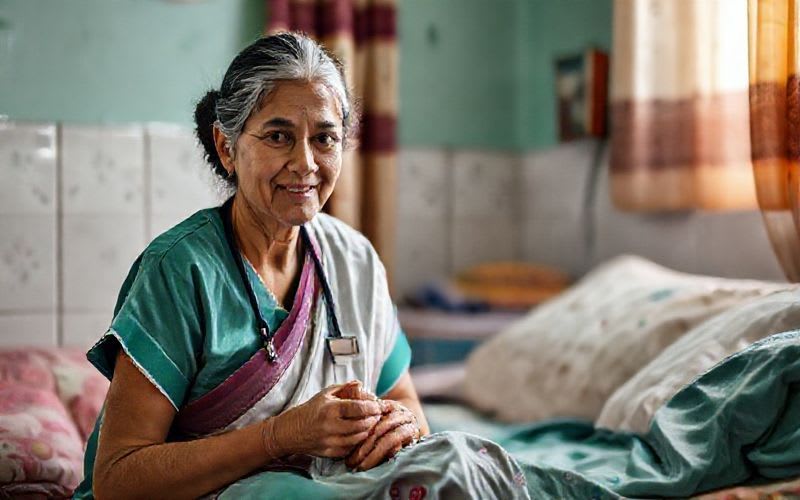
This is where we, at Nurse Nest Plus, can really make a difference. Managing CHD as an adult often means managing a complex health plan *at home*. It's about maintaining independence while ensuring safety and well-being. Here’s how we can help:
- Medication Reminders and Management: Ensuring medications are taken on time, and managing refills.
- Monitoring Vital Signs: Regular blood pressure, pulse, and oxygen saturation checks.
- Early Detection of Symptoms: Our nurses are trained to recognize subtle changes that might indicate a problem, allowing for prompt medical intervention. Things like unexplained swelling in the ankles, increased shortness of breath or new fatigue - these aren't things to ignore.
- Post-Hospitalization Care: Transitioning from hospital to home can be daunting. We provide comprehensive care to support recovery.
- Emotional Support: Living with a chronic condition can be emotionally challenging. Our nurses offer a compassionate ear and can connect patients and families with support resources.
We’ve found that many patients feel more comfortable and secure receiving care in their own homes, especially in a country where travelling to and from hospitals can be stressful and time-consuming. Plus, familiar surroundings can have a positive impact on mental well-being.
Beyond the Medical: Holistic Care is Key
It’s easy to get caught up in medications and check-ups, but remember, you’re more than just your heart condition! Taking care of your overall health is crucial. That means:
- Nutrition: A heart-healthy diet low in salt and saturated fat is important.
- Exercise: Talk to your cardiologist about safe exercise options.
- Stress Management: Chronic stress can worsen heart conditions. Explore techniques like yoga, meditation, or deep breathing exercises.
- Mental Health Support: Don't hesitate to seek help from a therapist or counselor if you're struggling with anxiety or depression.
Often, the biggest challenge isn’t the medical aspect itself, but the emotional and practical aspects of living with a chronic condition. Finding a support group, whether online or in person, can be incredibly helpful. Connecting with others who understand what you’re going through can reduce feelings of isolation and provide valuable coping strategies. We encourage families to reach out – it doesn’t have to be a lonely journey.
The new ACC/AHA guidelines signify a much-needed shift towards recognizing the unique needs of adults with CHD. At Nurse Nest Plus, we are committed to providing compassionate, specialized care to help these individuals live long, fulfilling lives. Don’t hesitate to get in touch with us if you or a loved one needs support.
Related home-nursing services
Hospital-trained registered nurses across Delhi NCR for the care needs this article covers.